
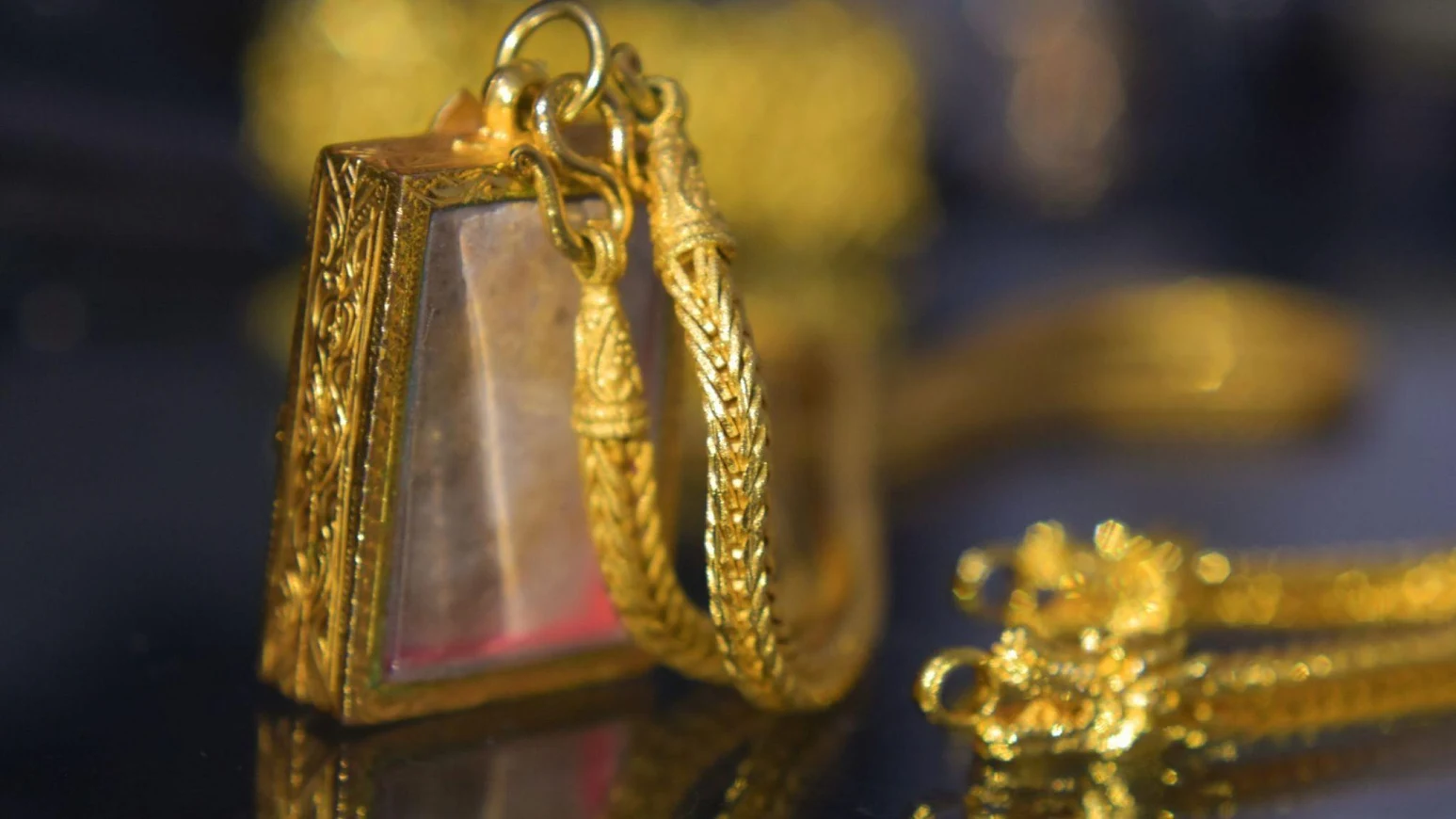
Many UK households have old chains, broken bracelets and odd earrings tucked away in drawers, often left over from gifts, inheritances or changing tastes. With gold prices remaining historically high in sterling, these pieces are worth considerably more than most owners expect. Exchanging gold for cash is a practical way to release that value, provided the seller understands purity, pricing and the rules that apply in the UK. Preparation matters, as informed sellers often secure better offers. This blog covers how jewellery is valued, how to read hallmarks, where to sell, the tax position and the safeguards worth using.
Table of Contents
Step 1: Understand How Your Gold Jewellery Is Valued
Scrap buyers price jewellery on its gold content, not on its design, brand or original retail price. The benchmark is the London Bullion Market Association price, which UK dealers convert into pounds per gram. In late September 2026, pure 24ct gold was trading at roughly £104 per gram, or about £3,234 per troy ounce.
To estimate value, multiply the weight in grams by the purity percentage and by the price of pure gold. As an illustration, take a hypothetical 10-gram 9ct chain and an assumed pure gold price of £100 per gram. The chain would contain 3.75 grams of pure gold, giving a melt value of £375. Selling gold for cash typically returns a percentage of this figure, since buyers must cover refining, insurance and their own margin.
Step 2: Check Hallmarks and Weigh Your Pieces
Under the Hallmarking Act 1973, gold items weighing more than one gram must carry a hallmark before they can be sold as gold in the UK. Reading these marks takes only a few minutes and confirms exactly what you own.
A standard UK hallmark carries the following three compulsory marks.
- Sponsor’s mark: The initials of the maker or importer who submitted the piece
- Fineness mark: A number such as 375 or 750 showing gold content in parts per thousand
- Assay office mark: A symbol showing where the piece was tested, namely a leopard’s head for London, an anchor for Birmingham, a rose for Sheffield or a castle for Edinburgh
Once the marks are read, weigh each piece on scales that measure in grams and sort items by carat. Note any gemstones, since buyers usually value them separately or deduct their weight. Stamps such as GP or GF indicate plating rather than solid gold, so set those pieces aside.
Step 3: Identify Pieces Worth More Than Their Metal Content
Not every item should be sold as scrap. Jewellery with age, a recognised maker or collector appeal can fetch more than its melt value, so a short assessment before selling is worthwhile.
The following characteristics suggest a piece deserves a specialist opinion before it is sold for its metal value.
- Antique or vintage styling, such as Victorian, Edwardian or Art Deco designs.
- Signatures or maker’s marks from well-known jewellery houses.
- A crown and carat stamp without a modern fineness number, which can point to a piece assayed before 1975.
- Gold coins, including Sovereigns, which may attract collector interest.
- Original boxes, receipts or certificates that document where a piece came from.
The date letter within a UK hallmark shows the year a piece was assayed, and the sponsor’s mark can help identify the maker. Together, these marks make it easier for a valuer to date an item. Request a written valuation from an auction house specialist or independent valuer, then compare it with the scrap quote. If the specialist figure is higher, an auction or private sale is likely to suit the piece better than a metal buyer.
Step 4: Choose the Right Place to Sell Your Gold
The best route depends on the type of piece, the quantity and how quickly payment is needed. Comparing at least three quotes is the simplest way to secure a fair gold-for-cash return, because UK dealer rates vary widely.
The table below compares the main selling routes available to UK sellers.
| Route | Best suited to | Points to consider |
| Postal gold buyers | Convenience and larger volumes | Choose insured, tracked postage and check how long the offer remains valid |
| Local jewellers | Same-day valuation | Ask for items to be weighed in front of you |
| Auction houses | Antique, signed or designer pieces | Fees apply, and payment takes longer, though results can exceed scrap value |
| Bullion dealers and refiners | Coins, bars and bulk gold | Often quote a higher share of the spot price |
| Pawnbrokers | Short-term borrowing | A loan rather than a sale, with interest due |
Step 5: Check the Tax and Legal Position
For Capital Gains Tax purposes, HMRC treats jewellery as a personal possession, so a single item sold for £6,000 or less is exempt regardless of any profit. Most household sales of gold for cash, therefore, carry no tax liability. Higher-value items need closer attention.
The main rules for the 2026/27 tax year are summarised below.
- Gains on a single item sold for more than £6,000 may be taxable, although marginal relief limits the gain to five-thirds of the amount above £6,000.
- The annual exempt amount is £3,000, and taxable gains above it are charged at 18% for basic rate taxpayers and 24% for higher and additional rate taxpayers.
- UK legal tender coins, including Sovereigns and Britannias, are exempt from Capital Gains Tax, whatever the gain.
- Inherited pieces use the probate value as their acquisition cost, so keep valuation paperwork safe.
Sellers of high-value items should confirm their position using HMRC help sheet HS293 or the advice of a qualified accountant.
Step 6: Follow Safeguards for a Secure Sale
Precious metal prices move daily, so a quote is valid only for a limited time. Over the 52 weeks to 25 September 2026, gold’s closing price in sterling ranged from about £2,855 to £3,969 per troy ounce, according to Forbes Advisor UK. That range shows how much timing can affect an outcome, and why records of each transaction protect you if a dispute arises.
Before agreeing to any offer, work through the following checks.
- Compare each quote with the live LBMA-linked price for your carat.
- Ask the buyer to state the price per gram, the carat used and any deductions in writing.
- Photograph and list every item before posting, and use insured, tracked delivery.
- Confirm that you may decline the offer and have your items returned undamaged.
- Choose payment by bank transfer, which creates a clear record of the sale.
- Report misleading pricing to Trading Standards through the Citizens Advice consumer service.
Conclusion
Selling unwanted jewellery in the UK requires a lot of preparation. Reading the hallmark, weighing each piece and knowing the current price of gold give you a clear benchmark before any offer arrives. Comparing several buyers, understanding the £6,000 Capital Gains Tax exemption and keeping proper records protect both your payout and your position. Approached carefully, turning gold for cash becomes a straightforward transaction, and forgotten pieces can become useful funds without unnecessary risk or delay.