
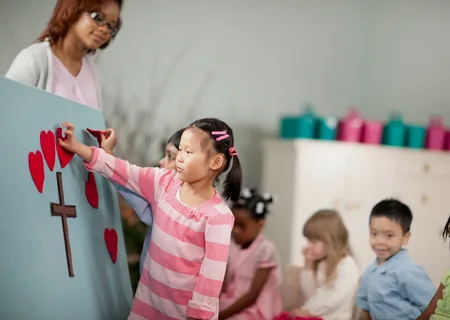
Parents today have more educational choices than ever before. Public schools, charter schools, homeschooling programs, online learning, and private institutions all offer different approaches to education. While academics are always important, many families are also thinking carefully about the type of environment their children experience every day.
In a world that often feels fast-paced, confusing, and constantly changing, many parents want more than strong academics. They want a school that helps shape character, reinforces values, encourages responsibility, and supports spiritual growth. That is one reason many families continue exploring private Christian schools when considering the best educational path for their children.
Faith-based education still matters because it focuses on the whole child. It recognizes that students are more than grades, test scores, and future college applications. They are growing people who need wisdom, encouragement, guidance, discipline, compassion, and purpose.
Table of Contents
Education Shapes the Whole Child
A child’s school experience affects far more than academic knowledge. Students spend a large part of their day in school, surrounded by teachers, classmates, expectations, conversations, and examples that influence how they see the world.
Faith-based education helps students grow academically while also encouraging them to develop strong character. Values such as honesty, kindness, respect, responsibility, patience, and integrity are woven into daily life rather than treated as occasional lessons.
This matters because children are constantly learning from the environment around them. They learn from what adults praise, what behavior is corrected, how conflict is handled, and how people treat one another.
When children are in a school environment that consistently reinforces biblical values, those lessons become part of how they understand life, relationships, and personal responsibility.
Modern Students Face Real Pressures
Children and teenagers today are growing up with challenges that many previous generations did not experience in the same way. Social media, online comparison, constant digital access, academic pressure, peer influence, and cultural confusion can weigh heavily on young minds.
Many students struggle with anxiety, insecurity, loneliness, identity questions, and fear of failure. Even strong students can feel overwhelmed by the pressure to perform, fit in, and keep up.
Faith-based education gives students a foundation that speaks to deeper questions of worth and purpose. Students are reminded that their value is not based on popularity, appearance, achievements, or approval from others. They are created with meaning and purpose.
That kind of foundation can help students develop confidence that is rooted in something stronger than temporary success or social acceptance.
Character Development Still Matters
Academic success is important, but character shapes how students use their knowledge. A person can be intelligent and talented, but without integrity, humility, compassion, and self-discipline, those abilities can be misused or wasted.
Faith-based schools often place a strong emphasis on character development because they understand that education should prepare students for life, not simply for the next test.
Students are encouraged to:
- Tell the truth
- Take responsibility for their actions
- Treat others with respect
- Serve people in need
- Work with diligence
- Show compassion
- Practice forgiveness
- Make wise choices
These lessons have lifelong value. They affect friendships, family relationships, future careers, leadership opportunities, and personal decision-making.
Faith and Academics Can Work Together
Some people assume that faith-based education means academics are less rigorous, but that is not the case. Many Christian schools are deeply committed to academic excellence while also helping students understand learning through a biblical worldview.
Faith and academics do not have to compete. They can work together.
Students can study science, history, literature, math, technology, and the arts while also being encouraged to think deeply about truth, purpose, ethics, and responsibility. This kind of education helps students ask meaningful questions and develop thoughtful answers.
The goal is to help students become capable thinkers, strong communicators, responsible leaders, and compassionate people.
Families Appreciate Shared Values
One reason many parents choose faith-based education is that they want consistency between what is taught at home and what is reinforced at school.
Children are shaped by repeated messages. When the values taught at home are supported by a private Christian school, students experience a stronger and clearer foundation.
This can be especially meaningful for families who want their children to grow in an environment that respects faith, encourages prayer, teaches biblical principles, and supports moral development.
Parents often appreciate knowing their children are surrounded by teachers and staff who care about both academic growth and spiritual formation.
A Strong School Community Makes a Difference
Faith-based schools often create close-knit communities where students feel known and supported. Smaller class settings, involved families, caring teachers, and shared values can create an environment where children are less likely to feel overlooked.
A strong school community can help students:
- Build confidence
- Develop healthy friendships
- Feel supported by adults
- Ask questions more freely
- Participate more fully
- Grow in responsibility
- Feel a stronger sense of belonging
Children often learn best when they feel safe, valued, and encouraged. A caring school culture can make a major difference in both academic performance and emotional well-being.
Students Learn the Value of Service
Faith-based education often teaches students that life is not meant to be lived selfishly. Students are encouraged to care about others and look for ways to serve.
Service teaches children humility, gratitude, compassion, and responsibility. It helps them see needs beyond their own lives and understand that their gifts can be used to bless others.
Whether through classroom projects, community service, mission opportunities, or everyday acts of kindness, students learn that faith should be lived out through action.
This kind of lesson can shape the way children view success. Instead of seeing success only as personal achievement, they begin to understand the importance of using their lives to make a positive difference.
Faith Provides Stability in a Changing World
The world changes quickly. Technology changes. Culture changes. Trends change. Educational methods change. But children still need truth, wisdom, guidance, and love.
Faith-based education gives students a steady foundation in the midst of constant change. It helps them understand that there are values worth holding onto, even when the world around them feels uncertain.
Students who are grounded in faith can learn to approach challenges with hope, make decisions with wisdom, and treat others with dignity.
That kind of stability is valuable in every generation.
Preparing Students for Life Beyond the Classroom
A strong education should prepare students for more than graduation. It should help prepare them for adulthood.
Faith-based education encourages students to think about who they are becoming, how they treat others, what they believe, and how they will use their gifts in the world.
Students need academic knowledge, but they also need perseverance, humility, courage, self-control, and compassion. They need to know how to work hard, handle disappointment, make wise choices, and stand firm when pressured.
These are the kinds of lessons that continue to matter long after students leave the classroom.
Why Faith-Based Education Still Has Lasting Value
Faith-based education remains important because children need more than information. They need formation. They need adults who care about their minds, hearts, character, and spiritual growth.
In a modern world filled with noise and pressure, many families are looking for schools that provide both academic excellence and a strong moral foundation. They want their children to be challenged, encouraged, supported, and guided toward a life of wisdom and purpose.
That is why faith-based education continues to matter. It helps students grow into thoughtful, capable, compassionate people who understand that their lives have meaning and that their choices matter.