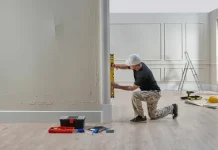
DIY home projects have become incredibly popular over the years. With countless online tutorials, home improvement videos, and step-by-step guides available everywhere, many homeowners feel more confident taking repairs and upgrades into their own hands. While some projects are perfectly manageable for experienced DIYers, others can quickly become expensive, dangerous, or structurally damaging when handled incorrectly.
This is especially true for mobile homes.
Mobile homes have unique construction methods, support systems, utility layouts, and foundation requirements that differ from traditional site-built homes. Because of this, certain repairs or upgrades that may seem simple at first can create major problems if they are not completed properly.
Many mobile homeowners take pride in maintaining and improving their property themselves, and there is certainly value in learning practical skills. However, there are some projects where professional experience matters greatly. Attempting the wrong repair without proper knowledge can lead to structural damage, code violations, water intrusion, safety hazards, or long-term repair costs that far exceed the original savings.
One area where homeowners should be especially cautious is anything involving the structure or support system of the home, including projects related to mobile home underpinning. These systems help protect the home, improve stability, and shield critical areas from moisture, pests, and weather exposure.
Understanding which projects are better left to professionals can help mobile homeowners protect both their investment and their safety.
Table of Contents
Structural Modifications
One of the most dangerous DIY mistakes mobile homeowners make is attempting major structural modifications without professional guidance.
Removing walls, altering support beams, expanding rooms, or changing the layout of a mobile home may seem straightforward in online videos, but mobile homes are engineered differently than traditional houses. Even non-load-bearing walls may contribute to the overall structural stability of the home.
Improper structural modifications can lead to:
- Sagging floors
- Roof stress
- Wall separation
- Window and door alignment problems
- Cracks in ceilings or drywall
- Long-term structural instability
In many cases, homeowners may not notice the damage immediately. Problems often develop slowly over time as the structure shifts or settles improperly.
Before making any major layout or framing changes, it is important to consult qualified professionals who understand mobile home construction specifically.
Electrical Work
Electrical projects are among the riskiest DIY repairs in any home, but mobile homes can present additional challenges due to their wiring systems and limited wall spaces.
Incorrect electrical work can create:
- Fire hazards
- Electrical shock risks
- Overloaded circuits
- Code violations
- Appliance damage
Older mobile homes may also contain outdated wiring systems that require specialized knowledge when making upgrades or repairs.
Simple projects like replacing light fixtures or outlets may be manageable for experienced homeowners, but larger electrical projects involving breaker panels, rewiring, or added circuits should almost always be handled by licensed electricians.
Safety should always come first when dealing with electrical systems.
Plumbing System Changes
Water damage is one of the costliest problems mobile homeowners face. Even small plumbing mistakes can eventually lead to mold, floor damage, wood rot, insulation problems, and structural deterioration.
Many plumbing lines in mobile homes are located beneath the structure, making access more complicated than homeowners initially expect.
DIY plumbing issues often result from:
- Incorrect pipe connections
- Improper drainage slopes
- Poor sealing
- Frozen pipe exposure
- Low-quality materials
- Hidden leaks
While basic maintenance like replacing faucets or unclogging drains may be reasonable DIY projects, larger plumbing modifications should usually involve professional assistance.
A small mistake behind a wall or underneath the home can remain hidden for months before becoming a major repair issue.
Roof Replacement or Major Roof Repairs
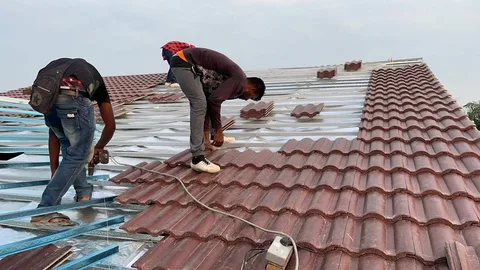
Roofing projects are physically demanding and technically challenging even for experienced contractors. Mobile home roofs often require specialized materials and installation methods designed specifically for manufactured housing.
Incorrect roofing work can cause:
- Water intrusion
- Interior ceiling damage
- Mold growth
- Insulation damage
- Structural deterioration
- Ventilation issues
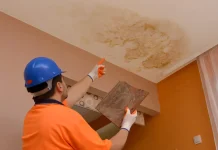
Some homeowners attempt quick patch jobs that temporarily hide leaks while allowing moisture to continue spreading underneath the roof surface.
Because water damage can become extremely expensive over time, roofing repairs and replacements are often best left to professionals with experience working on mobile homes specifically.
Foundation and Leveling Work
Mobile homes require proper leveling to maintain structural balance and prevent long-term damage. Attempting leveling adjustments without proper equipment and experience can create serious problems very quickly.
Improper leveling can lead to:
- Uneven floors
- Cracked walls
- Sticking doors and windows
- Plumbing strain
- Roof stress
- Frame damage
Foundation systems must support the weight of the home evenly across multiple points. Small miscalculations can place excessive stress on portions of the structure.
Similarly, homeowners should use caution when handling projects involving mobile home underpinning because these systems play an important role in protecting the underside of the home from weather, moisture, pests, and temperature fluctuations.
Professional installation helps ensure proper ventilation, durability, drainage, and long-term performance.
HVAC Installation and Repairs
Heating and cooling systems in mobile homes are often designed differently from systems found in site-built homes. Attempting HVAC installations or major repairs without proper knowledge can affect both system performance and safety.
Common DIY HVAC problems include:
- Improper airflow
- Refrigerant issues
- Electrical hazards
- Ventilation problems
- Reduced efficiency
- Carbon monoxide risks
Poor installation can also shorten the lifespan of expensive HVAC equipment.
Routine maintenance, such as filter replacement, is usually manageable for homeowners, but major repairs and installations should generally involve licensed professionals.
Window and Door Replacements
Replacing windows or exterior doors may appear simple, but proper installation is critical for weather protection and structural integrity.
Improper installation can lead to:
- Water leaks
- Drafts
- Energy loss
- Frame shifting
- Moisture intrusion
- Mold development
Mobile homes may also have unique sizing requirements that differ from standard residential construction.
Professional installation helps ensure proper sealing, insulation, alignment, and long-term durability.
Flooring Projects That Hide Bigger Problems
Many homeowners replace flooring to improve appearance without realizing the underlying subfloor may already have moisture damage or structural weakness.
Installing new flooring over damaged subfloors can hide problems temporarily while allowing deterioration to continue underneath.
Soft spots, sagging areas, or uneven flooring often indicate deeper issues involving:
- Water intrusion
- Plumbing leaks
- Structural settling
- Rotting wood
- Insulation damage
Before installing new flooring, it is important to identify and repair the root cause of any existing floor issues.
Exterior Drainage Changes
Poor drainage is one of the leading causes of long-term mobile home damage. Some homeowners attempt DIY grading or drainage projects without fully understanding how water moves around the property.
Incorrect drainage modifications can actually direct more water toward the home instead of away from it.
Water problems may eventually affect:
- Foundations
- Underpinning systems
- Soil stability
- Skirting materials
- Subfloors
- Interior humidity levels
Professional evaluation can help ensure drainage systems protect the home properly rather than creating additional problems.
Knowing When Professional Help Is Worth It
There is nothing wrong with homeowners wanting to save money or learn new skills. Many maintenance tasks and cosmetic upgrades are perfectly reasonable DIY projects. Painting, landscaping, decorating, minor repairs, and basic maintenance can often be handled successfully by homeowners themselves.
However, projects involving structural systems, utilities, roofing, leveling, or mobile home underpinning often require specialized knowledge and experience that goes far beyond online tutorials.
Professional installation and repair work may cost more upfront, but it can help prevent:
- Expensive future repairs
- Safety hazards
- Code violations
- Insurance complications
- Structural damage
- Reduced home value
In many cases, hiring the right professional from the beginning ultimately saves both money and stress over the long term.
Mobile homes require proper care and maintenance just like any other home, but understanding their unique construction is essential. Knowing which projects to avoid can help homeowners protect their investment, improve safety, and maintain the long-term durability of their property for years to come.