
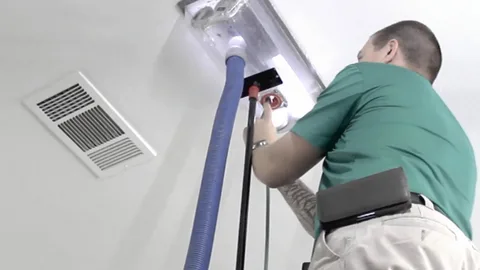
Most homeowners assume the air inside their home is cleaner than the air outside. After all, windows are closed, air filters are installed, and the HVAC system continuously circulates air throughout the house. However, indoor air quality problems are far more common than many people realize, and some of the biggest contributors are often completely hidden from view.
When people think about indoor air pollution, they usually focus on obvious things like dust on furniture, pet hair on the floor, or seasonal allergies. What often gets overlooked are the contaminants circulating through the HVAC system itself. Over time, hidden buildup inside ductwork can quietly affect the air quality throughout an entire home. That is one reason many homeowners eventually begin considering air duct cleaning when trying to improve comfort and indoor air conditions.
Understanding the hidden sources of poor indoor air can help homeowners make better decisions about maintaining a healthier living environment.
Table of Contents
Dust Continually Circulates Through the Home
Dust is one of the most common indoor air pollutants, yet many homeowners underestimate how much of it moves through the HVAC system every day.
Dust is made up of many tiny particles, including:
- Dirt
- Fabric fibers
- Hair
- Skin cells
- Pollen
- Pet dander
- Outdoor debris
Every time the heating or cooling system runs, these particles can circulate through the duct system and re-enter living spaces.
Even homes that are cleaned regularly may still experience significant buildup inside vents and ductwork over time. Homeowners often notice:
- Dust collects quickly after cleaning
- Dust buildup around air vents
- Stale-smelling air
- Increased allergy symptoms
- Excessive airborne particles
Because the duct system remains hidden behind walls and ceilings, many people do not realize how much buildup may be accumulating inside it.
Pet Dander Can Become a Constant Airborne Irritant
Pets are part of the family for many households, but they also contribute heavily to indoor air contamination.
Pet dander consists of microscopic skin particles that can easily travel through the air and enter the HVAC system. Once inside the ductwork, dander may continue circulating throughout the home repeatedly.
Homes with pets may experience:
- Increased airborne allergens
- Lingering odors
- Faster dust buildup
- Reduced air freshness
- Additional strain on air filters
Even regular vacuuming and cleaning may not fully remove airborne particles once they settle inside the duct system.
This is one reason homes with multiple pets often experience faster indoor air quality decline over time.
Moisture Creates Hidden Indoor Air Problems
Humidity and moisture are major contributors to indoor air issues, especially in warmer climates. Condensation within HVAC systems or ductwork can create conditions where mold and mildew may begin developing out of sight.
Moisture-related problems are often difficult to detect early because they may develop gradually inside hidden portions of the system.
Possible warning signs include:
- Musty odors
- Damp-smelling air
- Increased allergy symptoms
- Visible mold near vents
- Excess indoor humidity
When mold spores circulate through the HVAC system, indoor air quality can become significantly worse.
Addressing moisture problems early is extremely important because mold growth can spread quickly once conditions allow it to develop.
Construction and Remodeling Debris Often Remains Behind
Many homeowners are surprised to learn how much debris can enter duct systems during construction or remodeling projects.
Even when contractors clean visible surfaces thoroughly, fine particles can still make their way into vents during:
- Drywall installation
- Flooring replacement
- Sanding projects
- Roof repairs
- Home renovations
- New construction
Construction dust may include:
- Drywall particles
- Sawdust
- Insulation fibers
- Dirt and debris
- Fine dust particles
Without proper cleaning, these contaminants can continue circulating through the home long after the project has been completed.
Air Filters Are Helpful—but Limited
Air filters are one of the first defenses against airborne contaminants, but they cannot catch everything moving through the HVAC system.
Low-quality filters, clogged filters, or improperly installed filters may allow particles to bypass the filtration system entirely. Even high-quality filters cannot completely prevent dust and debris from gradually accumulating within ductwork over time.
Many homeowners assume replacing filters alone fully solves indoor air concerns, but hidden buildup inside ducts may still remain.
That is one reason air duct cleaning is sometimes recommended as part of a broader indoor air quality improvement strategy.
Poor Indoor Air May Affect More Than Comfort
Indoor air quality problems do not always produce dramatic symptoms immediately. Often, the effects build gradually and become normalized over time.
Poor indoor air may contribute to:
- Sneezing
- Coughing
- Dry throat
- Headaches
- Eye irritation
- Congestion
- Fatigue
- Allergy flare-ups
Children, older adults, and individuals with respiratory conditions may be especially sensitive to airborne contaminants circulating throughout the home.
Even people without significant health concerns may notice their home feels less fresh, dustier, or more uncomfortable than it should.
Why Ductwork Often Gets Ignored
One reason homeowners frequently overlook duct systems is that they are largely invisible. Unlike flooring, countertops, or furniture, the inside of ductwork is rarely seen during normal daily life.
Out of sight often means out of mind.
Most homeowners focus on:
- Thermostat settings
- HVAC equipment
- Air filters
- Utility bills
- Visible dust
Meanwhile, the duct system itself may go years without inspection or cleaning.
Since contamination inside ducts develops gradually, homeowners may not immediately recognize the impact it has on indoor air quality.
HVAC Performance May Also Be Affected
Heavy buildup inside duct systems may sometimes contribute to restricted airflow. When airflow becomes limited, HVAC systems may need to work harder to maintain indoor temperatures.
Potential effects may include:
- Uneven temperatures
- Longer system run times
- Reduced airflow
- Increased system strain
- Lower energy efficiency
While dirty ducts are not always the sole cause of HVAC performance problems, excessive buildup can contribute to reduced system efficiency over time.
Indoor Air Quality Requires a Complete Approach
Improving indoor air quality usually involves several factors working together, including:
- Regular HVAC maintenance
- Proper humidity control
- High-quality air filtration
- Ventilation improvements
- Clean duct systems
- Routine inspections
No single solution addresses every indoor air issue, but identifying hidden contributors can help homeowners create a healthier environment overall.
Why Air Duct Cleaning Deserves More Attention
People spend a significant amount of time inside their homes, which makes indoor air quality more important than many homeowners realize. Unfortunately, some of the biggest contributors to poor indoor air remain hidden behind walls, ceilings, and vents where they are easy to overlook.
Dust, pet dander, moisture, mold spores, and construction debris can quietly accumulate inside HVAC systems over the years. As those contaminants circulate through the home repeatedly, they may gradually affect comfort, cleanliness, and overall indoor air quality.
That is why air duct cleaning continues to be an important consideration for homeowners looking to improve the air inside their homes. While it may not always be the first thing people think about, maintaining clean ductwork can play an important role in creating a cleaner, healthier, and more comfortable living environment.