Many homeowners think about painting primarily as a cosmetic project. Fresh paint certainly improves appearance, brightens rooms, modernizes outdated spaces, and boosts curb appeal, but routine painting offers far more benefits than most people realize. In reality, painting plays an important role in protecting surfaces, preserving home value, preventing long-term damage, and maintaining the overall condition of a property.
Over time, both interior and exterior surfaces experience constant wear from sunlight, moisture, temperature changes, dirt, everyday use, and environmental exposure. Without proper maintenance, surfaces gradually deteriorate, leading to larger and more expensive problems later on.
That is one reason many homeowners continue investing in professional residential painting as part of their long-term home maintenance strategy rather than waiting until surfaces become severely worn or damaged.
Routine painting helps protect a home while also improving comfort, appearance, and durability throughout the property.
Table of Contents
Paint Acts as a Protective Barrier
One of the biggest overlooked benefits of paint is protection. Quality paint creates a barrier between surfaces and the elements they are exposed to every day.
Exterior surfaces constantly face:
- Rain
- Humidity
- UV exposure
- Temperature fluctuations
- Wind
- Dirt and debris
- Mold and mildew risks
Interior surfaces deal with:
- Moisture
- Scuffs and scratches
- Fingerprints
- Cleaning chemicals
- Daily wear and tear
Without proper paint protection, surfaces become far more vulnerable to deterioration.
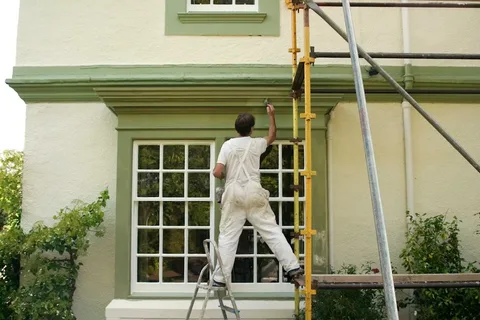
Exterior paint helps shield siding, trim, stucco, and wood from moisture intrusion and sun damage, while interior paint helps walls withstand daily household activity more effectively.
Routine Painting Helps Prevent Moisture Damage
Moisture is one of the most damaging forces affecting residential homes. Once moisture begins penetrating unprotected surfaces, problems can quickly escalate.
Potential issues may include:
- Wood rot
- Mold growth
- Mildew buildup
- Surface warping
- Peeling materials
- Structural deterioration
Exterior paint plays a major role in helping reduce moisture penetration, especially in climates where humidity and rain exposure are common.
When paint begins cracking, peeling, or fading significantly, surfaces become increasingly exposed to moisture-related damage.
Routine residential painting helps maintain that protective seal before more serious issues develop.
Fresh Paint Improves Indoor Air Quality
Many homeowners do not realize that modern paint products can actually help improve indoor environments.
Older walls may trap:
- Dust
- Allergens
- Smoke residue
- Odors
- Pet-related buildup
Fresh paint can help refresh indoor spaces while covering lingering odors and surface contaminants.
Additionally, many modern paints now offer:
- Low-VOC formulas
- Reduced chemical emissions
- Improved indoor air quality
- Mold-resistant coatings
Choosing quality paint products may contribute to a cleaner and more comfortable living environment overall.
Painting Helps Preserve Property Value
A well-maintained appearance strongly influences how a home is perceived, both by visitors and potential buyers.
Faded paint, peeling surfaces, stained walls, or worn trim can make an otherwise beautiful property appear neglected.
Routine painting helps maintain:
- Curb appeal
- Interior appearance
- Perceived home value
- Buyer interest
- Overall property presentation
For homeowners considering selling in the future, paint is often one of the most cost-effective ways to improve visual appeal and create a positive first impression.
Buyers frequently notice paint condition immediately when viewing a home.
Exterior Painting Helps Protect Wood and Trim
Wood trim and siding are especially vulnerable to weather exposure. Sunlight, rain, humidity, and temperature fluctuations gradually break down unprotected wood surfaces over time.
Without proper maintenance, wood may begin to:
- Crack
- Warp
- Rot
- Split
- Absorb moisture
- Deteriorate structurally
Routine painting helps seal and protect these surfaces before serious deterioration occurs.
Maintaining exterior wood surfaces early is usually far less expensive than replacing damaged trim, siding, or fascia later.
Interior Painting Refreshes Everyday Living Spaces
Interior paint affects how a home feels emotionally as much as visually.
Fresh paint can make rooms feel:
- Cleaner
- Brighter
- Larger
- More modern
- More comfortable
- More inviting
Over time, walls naturally accumulate scuffs, dents, fading, stains, and discoloration from normal household activity.
Routine painting helps restore freshness throughout the home while allowing homeowners to update colors and styles as preferences evolve.
Even relatively simple color changes can dramatically improve the atmosphere of a space.
Routine Painting Can Reveal Hidden Problems Early
Painting projects often uncover underlying issues that homeowners may not otherwise notice immediately.
During preparation and inspection, painters may identify:
- Water damage
- Mold growth
- Surface cracks
- Rotting wood
- Caulking failures
- Structural movement
- Exterior deterioration
Catching these problems early allows homeowners to address repairs before damage becomes more extensive and expensive.
This preventative aspect of residential painting is often overlooked but extremely valuable long-term.
Paint Helps Surfaces Last Longer
Routine maintenance generally extends the lifespan of household materials, and painted surfaces are no exception.
Regular repainting helps preserve:
- Drywall
- Siding
- Trim
- Doors
- Cabinets
- Fencing
- Stucco
- Exterior wood surfaces
Without maintenance, surfaces often deteriorate much faster under daily environmental exposure.
Protecting existing materials helps homeowners avoid premature replacement costs while preserving the overall integrity of the home.
Color Updates Can Modernize a Home
Paint trends change over time, and outdated color schemes can make homes feel older than they actually are.
Strategic painting updates can modernize:
- Kitchens
- Bathrooms
- Living spaces
- Exterior facades
- Front doors
- Trim accents
Neutral palettes, brighter interiors, and updated exterior colors can significantly improve a home’s overall appearance without requiring major remodeling projects.
For homeowners wanting noticeable improvement without large-scale renovation expenses, painting often delivers one of the best returns on investment.
Professional Results Often Last Longer
While some homeowners attempt DIY painting projects, professional preparation and application often produce better long-term durability and appearance.
Professional painters typically understand:
- Surface preparation requirements
- Proper product selection
- Moisture considerations
- Primer needs
- Application techniques
- Weather timing
- Surface compatibility
Proper preparation is especially important because many paint failures result from inadequate cleaning, sanding, caulking, or priming before painting begins.
Investing in quality workmanship often helps paint last longer and perform better over time.
Routine Painting Is Part of Preventive Home Maintenance
Many homeowners wait until the paint is severely peeling or the surfaces look heavily worn before considering repainting. Unfortunately, by that point, additional surface damage may already be developing underneath.
Routine residential painting works best as preventative maintenance rather than emergency repair.
Staying ahead of deterioration helps:
- Reduce long-term repair costs
- Protect structural materials
- Maintain curb appeal
- Improve indoor comfort
- Preserve property value
- Extend surface lifespan
Like roof maintenance, HVAC servicing, or landscaping upkeep, painting plays an important role in protecting the overall condition of a home.
Why Routine Painting Matters More Than Many Homeowners Realize
Painting is about far more than appearance alone. Quality paint helps protect homes from moisture, wear, sunlight, and environmental damage while also improving comfort, cleanliness, and visual appeal.
Routine residential painting allows homeowners to preserve surfaces, identify hidden issues early, modernize living spaces, and maintain property value over time.
When approached proactively, painting becomes one of the most effective long-term maintenance investments homeowners can make for protecting both the beauty and durability of their property.