
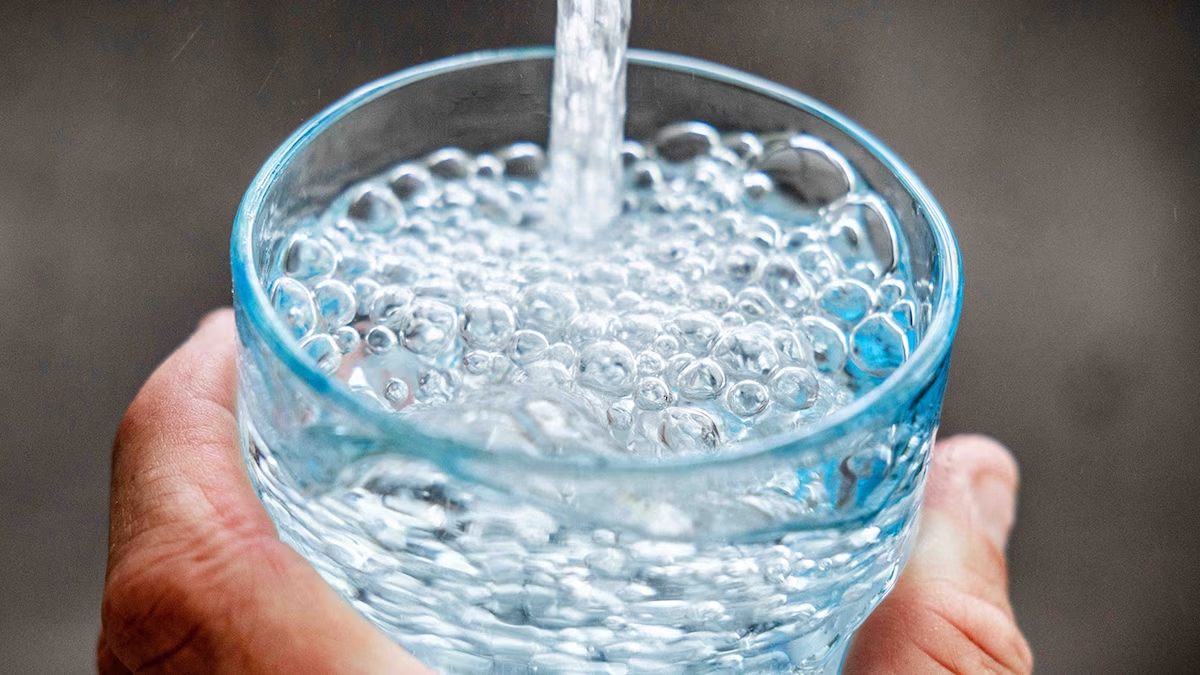
Most homeowners use their tap water every single day without thinking much about what may actually be inside it. Water is used for drinking, cooking, bathing, washing dishes, doing laundry, and countless other daily activities. Because it is such a routine part of life, many people simply assume their water is completely clean and problem-free.
The reality is that tap water can contain a variety of minerals, chemicals, particles, and contaminants depending on where the water comes from and how it travels to your home. While municipal treatment systems help make water safe for public use, that does not necessarily mean the water arriving at your faucet is free from everything homeowners may want to avoid.
This is one reason many families begin exploring professional water filtration service options to better understand their water quality and improve the water flowing throughout their homes.
Learning more about common tap water concerns and available filtration systems can help homeowners make smarter decisions about protecting their plumbing, appliances, and overall water quality.
Table of Contents
Municipal Water Treatment Does Not Remove Everything
City water treatment facilities work hard to remove harmful bacteria and dangerous contaminants from public water systems. However, even treated water may still contain substances that affect taste, odor, hardness, and overall quality.
Depending on the area, tap water may still include:
- Chlorine or chloramine
- Hard water minerals
- Sediment
- Rust particles
- Dissolved solids
- Trace contaminants
- Unpleasant odors
- Metallic tastes
Water also travels through underground pipes and infrastructure before reaching individual homes. Older plumbing systems, corroded pipes, and aging municipal infrastructure may introduce additional particles or contaminants during that process.
Even when water technically meets safety guidelines, homeowners may still notice issues affecting comfort, appliance performance, and taste.
Hard Water Is Extremely Common
One of the most widespread household water issues is hard water. Hard water contains elevated levels of minerals such as calcium and magnesium.
Hard water is not usually harmful to drink, but it can create ongoing frustration throughout the home.
Common signs of hard water include:
- White buildup on faucets and fixtures
- Soap scum on shower walls
- Water spots on dishes
- Dry skin and hair
- Reduced soap effectiveness
- Stiff laundry
- Mineral buildup inside appliances
Over time, hard water minerals can accumulate inside:
- Water heaters
- Dishwashers
- Washing machines
- Pipes
- Coffee makers
- Ice makers
This buildup may reduce efficiency, shorten appliance lifespan, and increase maintenance costs.
Many homeowners install filtration or water softening systems specifically to reduce these mineral-related problems.
Chlorine Often Affects Taste and Smell
Chlorine is commonly used during municipal water treatment because it helps disinfect public water supplies and reduce harmful bacteria. While chlorine serves an important purpose, it can also affect the overall quality of household water.
Some homeowners notice:
- Strong chemical smells
- Pool-like odors
- Unpleasant drinking water taste
- Dry skin after showering
- Hair dryness or irritation
Carbon filtration systems are often used to help reduce chlorine taste and odor issues throughout the home.
For many families, simply improving the taste and smell of their water becomes one of the biggest reasons for considering filtration systems.
Sediment and Rust Can Enter Household Plumbing
Homes with older plumbing systems may experience sediment or rust particles entering the water supply over time.
Possible warning signs include:
- Brown or yellow-tinted water
- Visible particles in water
- Metallic taste
- Staining around fixtures
- Reduced water pressure
- Cloudy water
Sediment may come from:
- Corroding pipes
- Municipal infrastructure
- Ground disturbances
- Water main repairs
- Mineral buildup
Sediment filtration systems can help reduce particles before they move throughout household plumbing and appliances.
Ignoring sediment problems may eventually contribute to clogged fixtures, appliance wear, and reduced plumbing performance.
Contaminants Can Vary by Location
Different areas may experience different water quality concerns depending on local environmental conditions, infrastructure, and water sources.
Some homeowners become concerned about contaminants such as:
- Lead
- Pesticides
- Nitrates
- Industrial runoff
- Volatile organic compounds
- PFAS chemicals
- Bacteria
- Trace pharmaceuticals
Not every home or municipality experiences the same issues, which is why professional water testing can be extremely important before selecting a filtration system.
Understanding exactly what is in the water helps determine which filtration method may work best for the home.
Understanding Common Filtration Options
There is no single filtration system that works perfectly for every home. Different systems are designed to target different water quality concerns.
Some of the most common filtration options include:
Carbon Filtration Systems
Carbon filters are commonly used to reduce:
- Chlorine taste
- Odors
- Certain chemicals
- Organic compounds
These systems are popular because they can noticeably improve water taste and smell throughout the home.
Water Softeners
Water softeners help reduce hard water mineral content.
Benefits may include:
- Less scale buildup
- Improved appliance efficiency
- Softer skin and hair
- Cleaner dishes
- Reduced soap scum
- Longer plumbing lifespan
Homes with severe hard water often benefit significantly from softening systems.
Reverse Osmosis Systems
Reverse osmosis systems use advanced filtration membranes designed to remove many dissolved substances from drinking water.
These systems are often installed for:
- Drinking water purification
- Improved taste
- Reduction of dissolved solids
- Additional contaminant filtration
Reverse osmosis systems are especially popular for kitchen drinking water applications.
Whole-Home Filtration Systems
Whole-home filtration systems treat water as it enters the property so filtration benefits extend throughout the house.
These systems may help protect:
- Plumbing systems
- Appliances
- Water heaters
- Showers
- Faucets
- Laundry systems
Whole-home systems are often ideal for homeowners dealing with widespread water quality concerns affecting the entire property.
Professional Water Testing Helps Identify the Right Solution
One of the biggest mistakes homeowners make is purchasing filtration equipment without understanding what problems actually exist in their water supply.
Different water conditions require different solutions. Installing the wrong system may fail to address the issue or create unnecessary expenses.
Professional water filtration service providers often recommend testing for:
- Water hardness
- Sediment levels
- Chlorine concentration
- Mineral content
- pH balance
- Potential contaminants
Testing provides valuable information that helps homeowners choose the most effective system for their specific needs.
Water Quality Affects More Than Drinking Water
Many people focus only on drinking water when thinking about filtration, but household water quality affects nearly every part of daily life.
Water quality can impact:
- Bathing comfort
- Laundry cleanliness
- Appliance lifespan
- Plumbing performance
- Skin and hair health
- Cleaning efficiency
- Cooking quality
Poor water quality may gradually contribute to maintenance issues and reduced appliance efficiency over time.
Because of this, many homeowners view water filtration as both a comfort upgrade and a long-term investment in protecting their home.
Why More Homeowners Are Choosing Filtration Systems
As awareness about water quality grows, more homeowners are investing in filtration solutions designed to improve both water quality and household efficiency.
Some families want better-tasting water. Others want to reduce hard water buildup, improve appliance lifespan, or address concerns about contaminants entering their plumbing systems.
The good news is that modern filtration systems offer a wide range of options depending on the home’s unique water conditions.
Working with a professional water filtration service provider can help homeowners better understand what may be in their tap water and identify filtration solutions that improve comfort, cleanliness, and long-term plumbing performance.
Clean water affects nearly every aspect of daily life. Understanding available filtration options allows homeowners to make informed decisions that help create a cleaner, healthier, and more efficient home environment for years to come.